
A no KYC crypto casino is one that does not require identity documents to open an account or to make small withdrawals. Almost all of them operate under an offshore licence — Anjouan, Curaçao, Costa Rica — rather than a national regulator, because national regulators mandate verification at signup.
This page explains what those licences actually require, what protection they offer, and how to check whether the one on a site's footer is real.
What "No KYC" Actually Covers
The phrase is used loosely. In practice it means identity verification is deferred rather than absent.
| Stage | Typical requirement |
|---|---|
| Account opening | Email and password only |
| Deposits | None |
| Small withdrawals | Often none |
| Cumulative threshold | Government photo ID |
| Large single payout | ID plus proof of address |
| AML flag or dispute | Full verification, sometimes source of funds |
Every licensed operator is bound by anti-money-laundering obligations, and those obligations do not permit unlimited anonymous withdrawals. An operator advertising genuinely unlimited anonymity is either unlicensed or not telling the truth about its licence.
Treat "no KYC" as "no KYC unless something triggers it". Have a photo ID and a recent proof of address ready before you need them — verification requested mid-withdrawal is the usual reason a fast payout becomes a slow one.
Offshore Licences Compared
| Jurisdiction | What it requires | Practical strength |
|---|---|---|
| Anjouan | Company registration, AML policy, technical checks | Light-touch; fast to obtain |
| Curaçao (new LOK regime) | Substance requirements, AML, player complaint channel | Moderate; improved since 2024 |
| Costa Rica | No gambling licence exists; companies register as ordinary businesses | None — not a gambling licence at all |
| Malta (MGA) | Full audit, segregated funds, ADR scheme | Strong, but requires KYC at signup |
| UKGC | Full audit, affordability checks, GAMSTOP | Strongest, and incompatible with no-KYC play |
The trade is straightforward and worth stating plainly. Lighter licensing buys you privacy, speed and fewer restrictions. It costs you recourse. If a Malta-licensed operator refuses a withdrawal, an alternative dispute resolution body will hear the case. If an Anjouan-licensed one does, your options are the operator's own complaints process and public pressure.
Checking a Licence Is Real
A licence badge in a footer is an image. Anyone can host an image. The check that matters takes about a minute.
Find the operating company name and licence number in the footer, then look the number up on the regulator's own register — not on a page the casino links to.
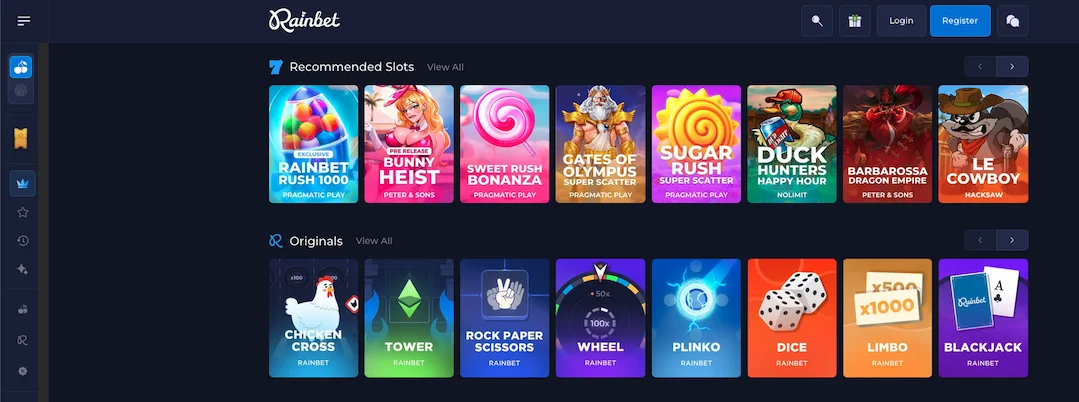
- Locate the operator name and licence number in the site footer.
- Go to the regulator's website directly, typing the address yourself.
- Search the register for the licence number.
- Confirm the company name on the register matches the one in the footer.
- Confirm the licence is current rather than lapsed.
If any step fails, or if the footer names no company at all, that is your answer.
"Costa Rica licensed" is a red flag rather than a credential. Costa Rica does not issue gambling licences. Companies there register as ordinary businesses and are subject to no gambling-specific oversight whatsoever.
Is Playing at an Offshore Casino Legal in Canada?
Canadian law regulates operators, not players. The Criminal Code prohibits running an unlicensed gambling business within Canada; it creates no offence for an individual placing bets with an offshore site. Provincial bodies — iGaming Ontario, Loto-Québec, BCLC, ALC — license domestic operators, and Ontario is the only open provincial market.
There is no record of Canadian players being prosecuted for using offshore sites. What you forgo is provincial recourse: no Canadian regulator will intervene if an unlicensed operator withholds a payout.
Recreational gambling winnings are not taxable in Canada. If gambling is your primary source of income, CRA may treat it as business income. Disposing of cryptocurrency is a separate taxable event regardless of its origin.
General information, not legal advice. Provincial rules differ and change. Confirm the position in your own province before playing.
What Actually Protects You
Given that offshore licensing offers limited recourse, the practical protections are reputational and procedural.
- Payout track record. Search the operator name with "withdrawal" and read the complaints.
- Named game providers. Licensed studios will not supply operators they cannot verify.
- A working provably fair tool, not just a badge.
- A published complaints process with a defined timeline.
- Test small first. A small deposit and withdrawal tells you more than any licence badge.
Frequently Asked Questions
What is a no KYC crypto casino?
One that does not require identity documents to register or to make small withdrawals. Verification is deferred rather than eliminated — it is typically triggered by a cumulative withdrawal threshold, a large single payout, or an anti-money-laundering review.
Is an Anjouan gaming licence legitimate?
It is a real licence with real requirements — company registration, an anti-money-laundering policy and technical checks — but it is light-touch compared with Malta or the UK. It permits operation and provides a complaints channel; it does not provide the dispute resolution a European regulator would.
Is it legal to play at an offshore casino from Canada?
Canadian law targets operators rather than players, and there is no offence for an individual betting with an offshore site. There is no record of players being prosecuted. The practical downside is that no Canadian regulator will act on your behalf in a payment dispute.
How do I check whether a casino licence is real?
Find the operating company and licence number in the footer, then search that number on the regulator's own website — typed in directly, not reached through a link on the casino. Confirm the company name matches and the licence is current. A badge image proves nothing.
Why is a Costa Rica licence a warning sign?
Because Costa Rica does not issue gambling licences at all. Operators claiming one have simply registered an ordinary company there, with no gambling-specific oversight, no player protection requirements and no complaints body.
Are my winnings taxable in Canada?
Recreational gambling winnings are not taxable. If gambling constitutes your primary income, CRA may assess it as business income. Separately, disposing of cryptocurrency is a taxable event, so converting winnings to fiat has tax consequences regardless of where the crypto came from.